
Vastar Eyewear / Custom Projects
OEM & ODM Eyewear Solutions
Bring a product idea, reference, or sourcing brief into a focused conversation about brand direction, development priorities, and purchasing requirements.
For overseas brands, importers, wholesalers, and distributors. Project scope and available options are reviewed against each brief.
01 / Partnership Models
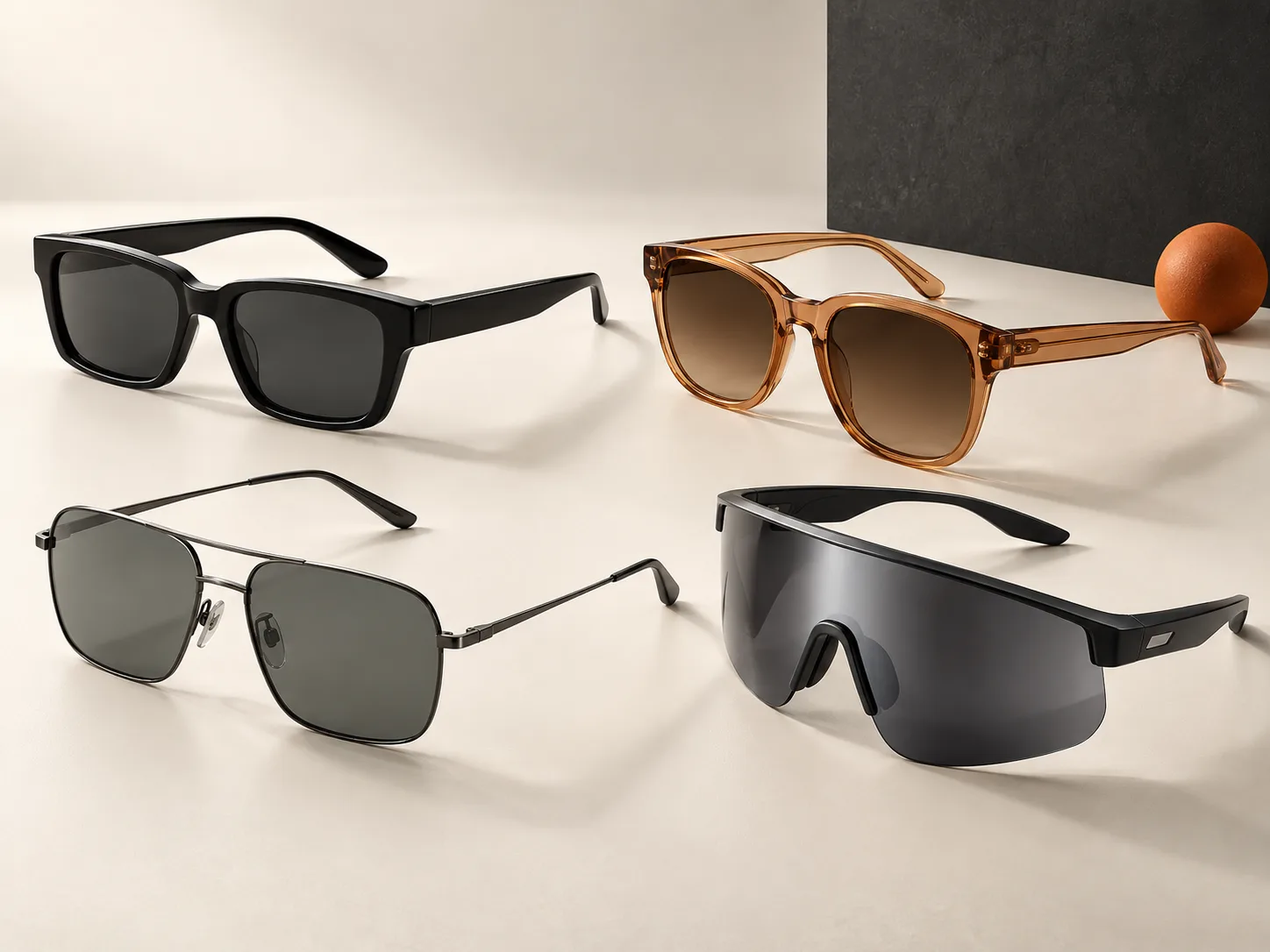
OEM & ODM Overview
OEM and ODM describe different starting points for an eyewear brief. The right approach depends on the design input, product requirements, and scope agreed for a specific project.
OEM: brief-led execution
An OEM discussion generally begins with a defined product direction or specification. Confirm which details can be matched or adapted before making a commitment.
ODM: concept-led development
An ODM discussion generally begins with a design concept or product objective. Development scope, ownership, and deliverables need to be defined for each project.
02 / Audience
Who This Page Is For
The page is designed for international B2B buyers with distinct brand, assortment, and sourcing priorities.
Brands
Discuss a product direction that fits a defined brand brief.
Importers
Share market, documentation, and purchasing requirements for review.
Wholesalers
Outline assortment, quantity, and presentation needs.
Distributors
Bring channel and product-selection priorities into the brief.
03 / Briefing Topics
Customization Options to Discuss
These are possible briefing topics, not a list of confirmed services. Availability, specifications, and limitations require written confirmation for the project.
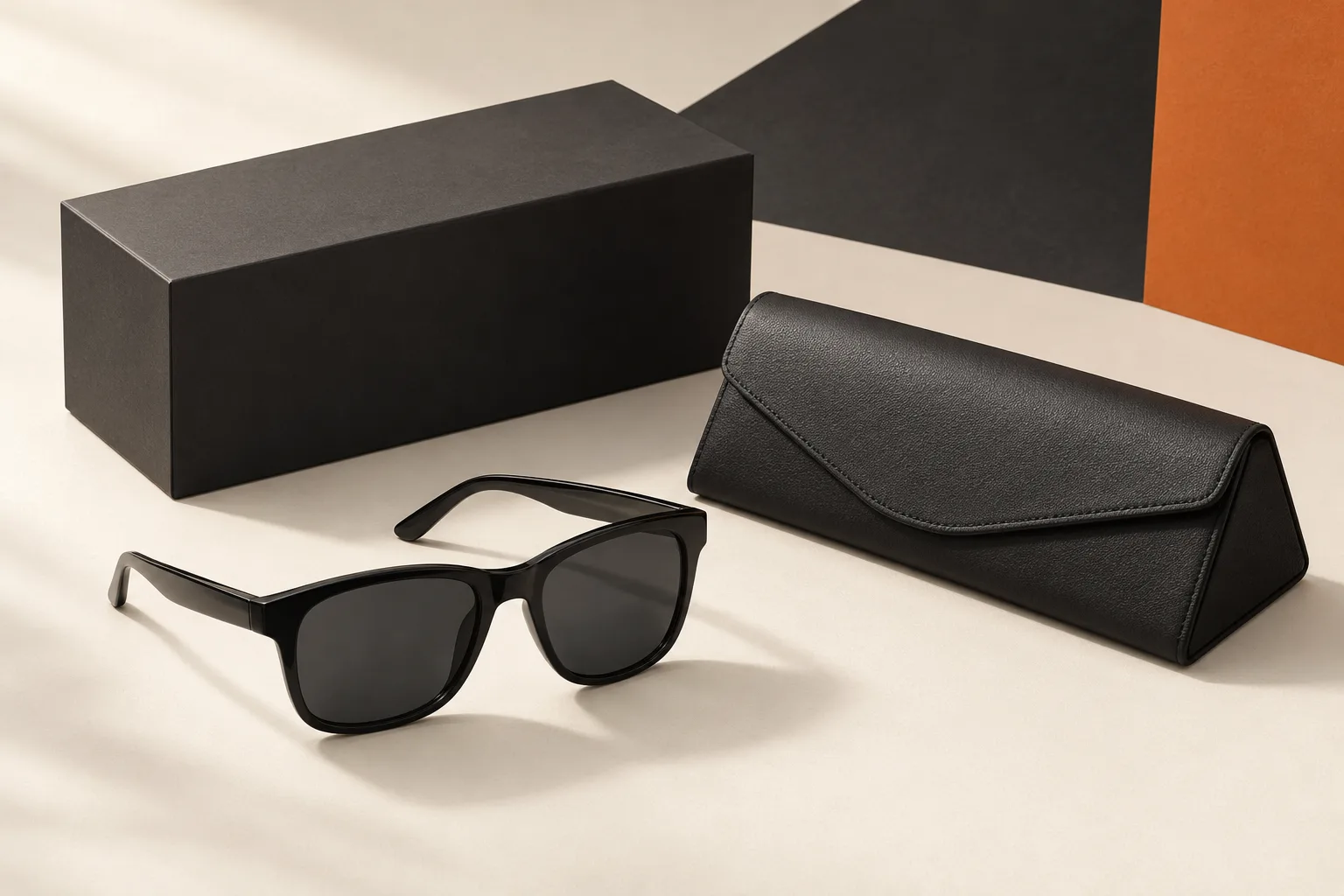
Frame Materials
Specify the material direction you are considering, such as acetate, metal, or TR90. Product-level material and sourcing options require verification.
Frame Color
Share color references or a palette. Methods, matching tolerances, and available finishes need confirmation.
Lens Direction
Describe the appearance and intended use. Lens materials, functions, and performance claims need product-specific evidence.
Logo & Identity
Provide artwork and placement preferences. Marking methods and feasibility have not been confirmed.
Packaging
Share the intended presentation and artwork requirements. Packaging formats and service scope require confirmation.
04 / Planning Sequence
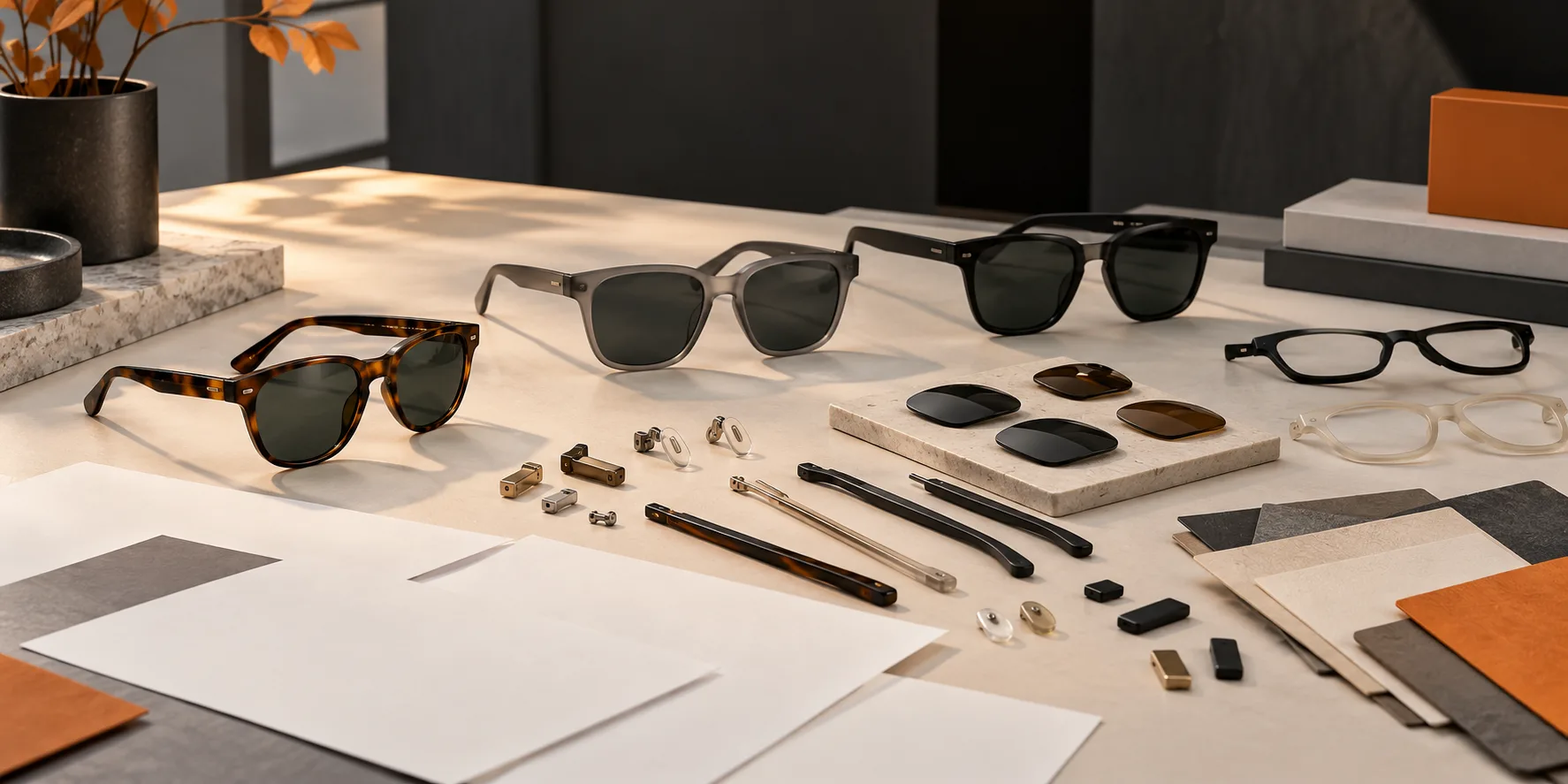
A Project Workflow to Define Together
This sequence is a planning framework, not a stated operating procedure. The applicable stages, owners, and timing must be agreed for each project.
01
Requirements
Outline product intent, references, quantity, market requirements, and target timing.
02
Scope Review
Identify which specifications, options, and deliverables require confirmation.
03
Sampling
If applicable, define sample availability, review criteria, cost, and approval steps.
04
Order Terms
Confirm quantities, approved specifications, commercial terms, and responsibilities in writing.
05
Production Coordination
If an order proceeds, define update points and who is responsible for each decision.
06
Quality Review
Agree on evidence, inspection responsibilities, and acceptance criteria where applicable.
07
Delivery Planning
Confirm packaging, documents, shipment responsibilities, and timing before fulfillment.
05 / Product Directions
Product Categories to Explore
These labels organize potential discussions. They do not confirm current inventory, material composition, lens performance, or suitability for a particular market.
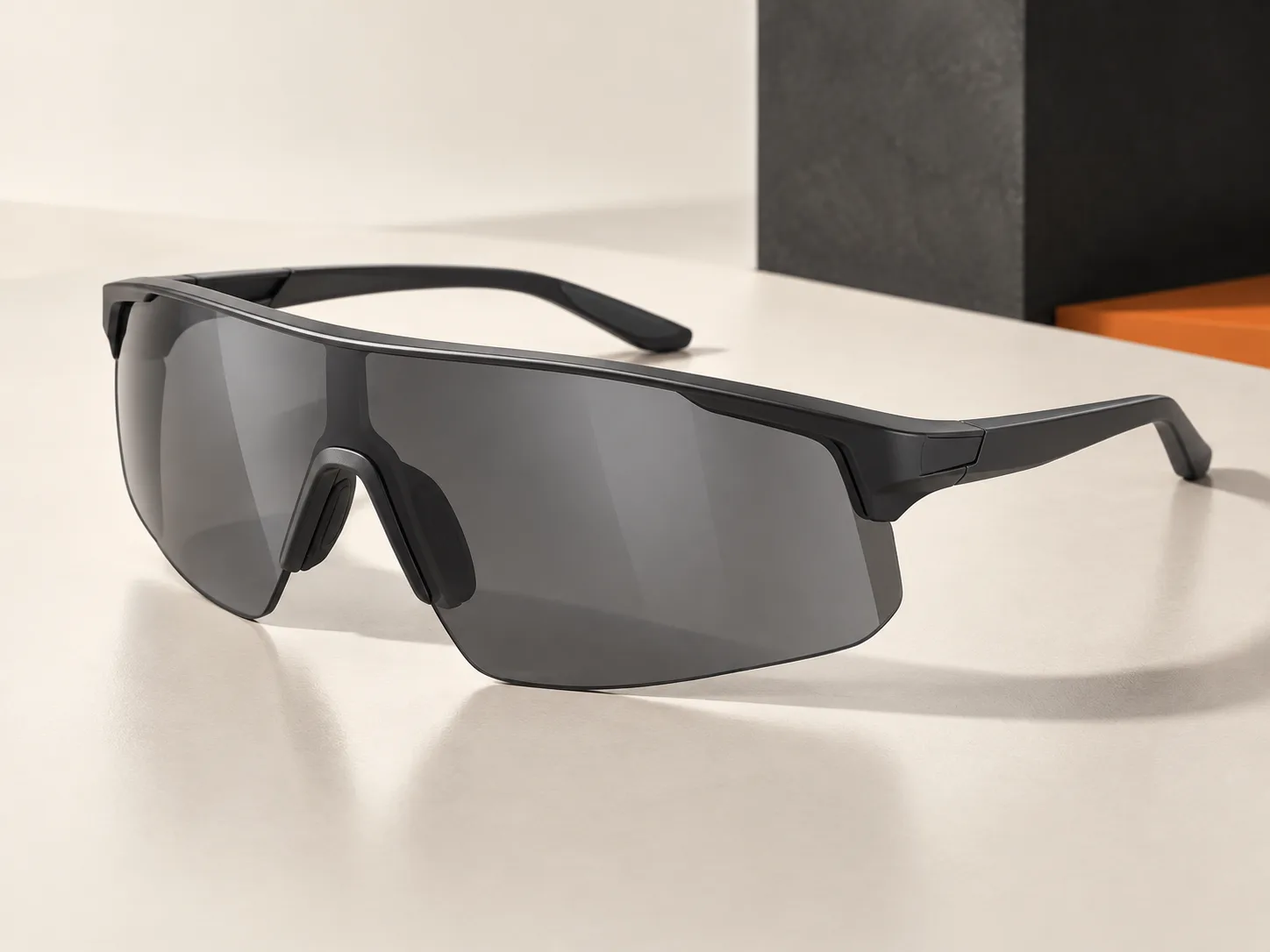
Polarized Sunglasses
Fashion Sunglasses
Sport Sunglasses
Cycling Sunglasses
TR90 Sunglasses
Acetate Sunglasses
Metal Sunglasses
Kids Sunglasses
06 / Review Points
Quality Coordination
Quality expectations should be documented for the specific product and order. The checks, evidence, parties, and acceptance criteria below are topics to confirm, not existing guarantees.
Specifications
Record the approved product details and identify which statements need supporting documents.
Sample Review
If sampling is agreed, define review points and how decisions will be recorded.
Order Coordination
Agree on update points, inspection responsibilities, and issue handling for the order.
07 / Questions to Resolve
Frequently Asked Questions
These draft answers identify information needed for a useful inquiry. Policies and commercial terms require approval before publication.
What is the minimum order quantity?
A project-specific MOQ has not been confirmed. Include your estimated quantity so the applicable terms can be reviewed.
Can our logo be added?
Logo placement and marking methods are subject to feasibility review. Share artwork and preferred placement with your brief.
Are samples available?
Sample availability, cost, timing, and approval steps have not been confirmed for this page.
Which frame materials can we choose?
Acetate, metal, and TR90 are planning categories. Availability and the exact material of any product need confirmation.
Can packaging be customized?
Packaging formats, artwork requirements, and the available service scope need to be confirmed.
What is the lead time?
No sample, production, or delivery timeline is stated in this draft. Timing must be confirmed for the agreed scope.
How does a custom project begin?
Prepare a brief with references, intended use, quantity, and open questions. The next steps and responsibilities are defined after scope review.
08 / Next Conversation
Start Your Custom Eyewear Project
Share your product direction and purchasing priorities so the possible scope can be reviewed.